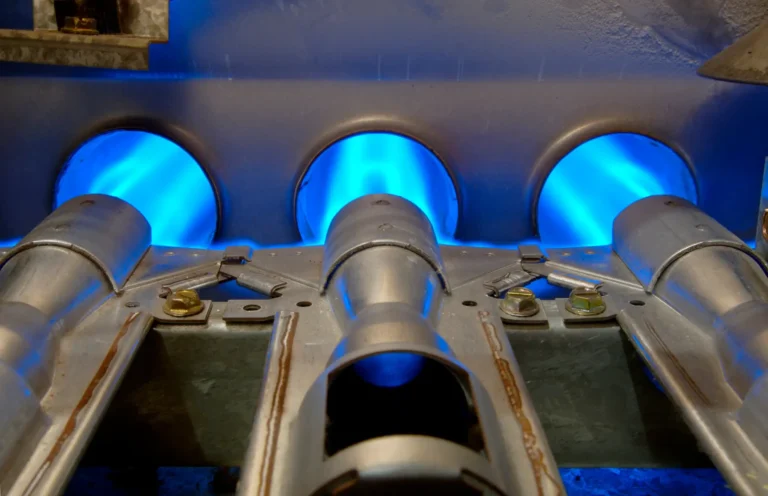

Thinking About Converting From Oil to Gas in Saint Charles, MD?
If your Saint Charles home still runs on an oil-fired furnace or boiler, you have probably noticed a few things: the cost of filling the oil tank climbs every winter, the delivery schedule never quite lines up with your needs, and that aging equipment in the basement seems to need more attention each year. Many homeowners reach a point where they start asking whether switching to natural gas or propane makes sense for their household. That question is exactly where T. N. Bowes Heating & Air Conditioning, Inc. can help.
Converting from oil to gas is one of the more significant upgrades a homeowner can make, and it touches more than just the appliance itself. It involves fuel supply, venting, electrical connections, and in many cases a complete rethinking of how heat moves through your house. We have guided countless families through this process, and our goal on this page is to answer the practical questions you likely have before you commit to the change.
Why Homeowners in Saint Charles Make the Switch
The most common reason people call us about oil to gas conversion is cost. Natural gas has stayed comparatively stable and often cheaper per unit of heat than heating oil, which means lower monthly bills across a long heating season. For a region like southern Maryland, where winters bring real cold but are not extreme, the savings can add up substantially over the lifespan of a new system. Over ten or fifteen years, the difference in fuel expense alone frequently offsets a meaningful portion of the conversion cost.
Beyond fuel cost, there are practical day-to-day benefits. A gas furnace or boiler does not depend on scheduled oil deliveries, so you never have to watch a tank gauge or arrange refills during a cold snap. Gas also burns cleaner than oil, which means less soot, fewer filter changes, and a reduced chance of residue building up inside the equipment. Many homeowners also appreciate that modern gas appliances run quieter and respond faster than the older oil units they replace.
What the Oil to Gas Conversion Process Looks Like
The conversion is a staged project, and understanding each step helps you know what to expect in your own home. When T. N. Bowes Heating & Air Conditioning, Inc. handles your changeover, we move through a clear sequence designed to keep the work organized and your household disruption to a minimum.
- Home assessment and load calculation: We evaluate the square footage, insulation, window placement, and existing ductwork or piping to size the new gas system correctly. Oversizing or undersizing wastes money and reduces comfort, so this step matters.
- Fuel supply planning: We confirm whether natural gas service is available at your street or whether a propane tank setup is the better path. This determines the piping route and connection work required.
- Old equipment removal: The existing oil furnace or boiler is disconnected and removed, along with the components that will no longer serve a purpose.
- Installation of the new gas system: We set the new furnace or boiler, run the gas lines, make the electrical connections, and configure the venting to meet code.
- Testing and commissioning: Before we leave, we verify combustion, check for leaks, confirm airflow or water flow, and make sure the thermostat controls the system correctly.
Each of these phases is handled by trained technicians who understand that a heating conversion is not a place to cut corners. We take the time to do the work properly the first time so your system runs safely and efficiently for years.
Handling the Old Oil Tank and Equipment
One concern we hear often is what happens to the oil tank once the gas system takes over. An unused oil tank, whether it sits in the basement or underground in the yard, needs proper attention. Tanks still holding fuel must be drained, and the handling of that remaining oil follows established guidelines. We coordinate this part of the project so you are not left figuring it out on your own after the new equipment is running.
Removing or decommissioning the old oil equipment also frees up space and removes a long-term maintenance liability from your home. Aging oil tanks can corrode and leak, which becomes both an expense and an environmental concern. Addressing the tank at the time of conversion is the cleanest approach, and it lets you close that chapter completely rather than leaving a dormant system sitting in place.
Venting, Gas Lines, and Technical Considerations
Gas appliances vent differently than oil units, and this is one of the areas where professional installation makes the biggest difference. High-efficiency gas furnaces often use sealed combustion and vent through PVC piping that can run horizontally out a sidewall rather than up a traditional chimney. Standard-efficiency units may still use the existing flue, but it must be inspected and sometimes relined to work safely with gas rather than oil. We evaluate which approach fits your home and install it to meet current code.
Gas line sizing is another technical detail that affects performance. The line must deliver enough fuel volume to the appliance at the correct pressure, and that calculation depends on the length of the run and the total gas demand of the house, including any other gas appliances like a water heater, stove, or dryer. When we plan a conversion, we account for the whole picture so the system has the supply it needs under full load. Shortcuts in this area lead to poor performance and callbacks, which is why we treat it carefully from the start.
Choosing the Right Equipment for Your Home
Not every gas furnace or boiler is the right fit for every house. Efficiency ratings, measured as AFUE for heating equipment, tell you how much of the fuel the unit converts into usable heat. A high-efficiency gas furnace can reach the mid-90s in AFUE, meaning very little fuel is wasted. For many Saint Charles homeowners, stepping up to a higher-efficiency model pays off over time, though the right choice depends on your budget, your home, and how long you plan to stay.
We install quality products rather than the cheapest option on the shelf, because we have learned over decades that reliable equipment keeps customers comfortable and keeps our reputation intact. When you talk with us about a conversion, we walk you through the practical differences between models, including staging, variable-speed blowers, and compatibility with smart thermostats, so you can make a decision with full information rather than guesswork.
Why Saint Charles Homeowners Trust T. N. Bowes Heating & Air Conditioning, Inc.
T. N. Bowes Heating & Air Conditioning, Inc. is a family-owned air conditioning and heating company serving Leonardtown, MD, and the surrounding area, including Saint Charles and communities throughout Lexington Park, Hollywood, Leonardtown, Saint Charles, Mechanicsville, La Plata, California, Waldorf, Lusby, Hughesville, White Plains, Bennsville, Brandywine, and Prince Frederick, MD. We built our outstanding reputation by using highly trained technicians, installing quality products, and delivering excellent service at a competitive price. Since 1988, customers have chosen us over other HVAC contractors in southern Maryland, and that long history means we have handled the full range of situations that come up during oil to gas conversions.
When you work with us, you get a partner who treats your home with care and explains the process in plain language. An oil to gas conversion is a worthwhile investment, and it deserves a contractor who takes the details seriously from the first assessment through the final test. If you are ready to lower your heating costs, simplify your fuel supply, and upgrade to cleaner, quieter equipment, reach out to T. N. Bowes Heating & Air Conditioning, Inc. and let us put our experience to work for your Saint Charles home.