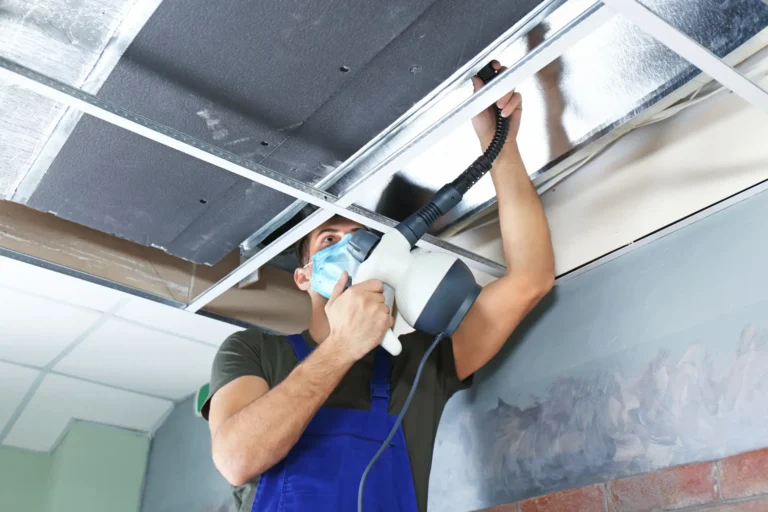

Understanding the Impact of Duct Sealing on Your Home’s Efficiency
Poor duct performance represents one of the most significant sources of energy waste in Waldorf homes, with studies indicating that typical residential duct systems lose between 20 and 30 percent of conditioned air through leaks, holes, and poorly connected segments. At T. N. Bowes Heating & Air Conditioning, Inc., we’ve specialized in identifying and resolving these inefficiencies since 1988, helping homeowners throughout Saint Charles, Lexington Park, and surrounding communities achieve substantial improvements in both comfort and energy savings. Our highly trained technicians utilize advanced diagnostic equipment to pinpoint even the smallest breaches in ductwork systems, ensuring comprehensive sealing solutions that deliver measurable results.
The financial implications of unsealed ducts extend far beyond elevated utility bills, affecting equipment longevity, indoor air quality, and overall system performance. When conditioned air escapes through duct leaks, your heating and cooling equipment must work harder and cycle more frequently to maintain desired temperatures, accelerating wear on components and shortening the lifespan of expensive HVAC systems. Additionally, these same openings that allow conditioned air to escape also permit unconditioned air, dust, allergens, and potentially harmful particles to enter your duct system, circulating throughout your living spaces and compromising the health and comfort of your family.
Advanced Sealing Techniques and Materials
Modern duct sealing involves far more than simply applying tape to visible joints, requiring sophisticated approaches that address both accessible and concealed portions of your duct system. Our family-owned air conditioning company employs multiple sealing methodologies depending on the specific characteristics of each system, including mastic sealants, specialized metal-backed tapes, and aerosol-based sealing technologies for hard-to-reach areas. Mastic, a thick paste-like substance that hardens to form a permanent seal, proves particularly effective for larger gaps and irregular surfaces where traditional tape methods might fail over time.
The selection of appropriate sealing materials depends on numerous factors including duct material composition, location within the structure, temperature exposure ranges, and the size and nature of identified leaks. For sheet metal ducts common in many Waldorf homes, we often combine mechanical fastening with high-grade sealants to ensure connections remain secure despite thermal expansion and contraction cycles. Flexible ductwork requires different approaches, with special attention paid to connection points where flexible sections meet rigid components, as these transition areas frequently develop significant leaks due to movement and settling over time.
Diagnostic Testing and Performance Verification
Before initiating any sealing work, comprehensive testing establishes baseline performance metrics and identifies specific problem areas requiring attention. Using specialized equipment including duct blasters, pressure gauges, and thermal imaging cameras, we measure actual air leakage rates and map the distribution of losses throughout your duct system. This scientific approach eliminates guesswork and ensures targeted repairs that address the most significant sources of inefficiency first, maximizing the return on your investment in duct sealing services.
Following completion of sealing work, we conduct thorough retesting to verify improvements and document achieved reductions in air leakage. Industry standards suggest that properly sealed duct systems should experience leakage rates below six percent of total system airflow, though we frequently achieve even better results in homes throughout La Plata and Leonardtown. These post-sealing measurements provide concrete evidence of improvement and help calculate expected energy savings, which typically range from 20 to 30 percent reduction in heating and cooling costs for previously unsealed systems.
Common Problem Areas in Southern Maryland Homes
Regional construction practices and climate conditions create specific vulnerabilities in local duct systems that require targeted attention during sealing projects. Attic-mounted duct systems, prevalent in many California, MD homes, face extreme temperature variations that accelerate deterioration of sealing materials and connections. During summer months, attic temperatures can exceed 140 degrees Fahrenheit, causing repeated expansion and contraction cycles that gradually compromise duct integrity. Similarly, crawlspace installations common in older Waldorf properties expose ductwork to moisture, leading to corrosion of metal components and degradation of insulation materials.
Platform framing techniques used in multi-story homes create additional challenges, as duct runs passing through floor cavities often develop leaks at penetration points and where sections connect across building levels. We frequently discover significant air losses at register boots, where ducts connect to floor, wall, or ceiling openings, as these connections rarely receive adequate sealing during initial construction. Building settling and seasonal wood movement further exacerbate these issues, creating gaps that grow progressively larger without professional intervention.
Integration with Comprehensive HVAC Service
Duct sealing delivers maximum benefits when coordinated with other heating service and AC repair activities, creating synergistic improvements in system performance. When we perform furnace repair or heating repair work, we evaluate duct conditions to ensure repaired or replaced equipment operates within properly sealed distribution systems. This integrated approach prevents situations where new, high-efficiency equipment fails to deliver expected performance improvements due to massive duct losses negating equipment efficiency gains.
Long-Term Benefits and Maintenance Considerations
Properly sealed duct systems provide numerous advantages beyond immediate energy savings, contributing to improved indoor air quality, enhanced comfort consistency, and reduced equipment maintenance requirements. Sealed ducts maintain more consistent room-to-room temperatures, eliminating hot and cold spots that plague many homes with leaky distribution systems. The reduction in dust and allergen infiltration particularly benefits family members with respiratory sensitivities or allergies, creating healthier indoor environments throughout the year.
- Energy cost reductions typically range from $200 to $400 annually for average-sized homes
- Equipment life extension adds three to five years to typical system longevity
- Improved humidity control reduces condensation issues and mold growth potential
- Enhanced air filtration effectiveness ensures particles pass through filters rather than bypassing via leaks
- Reduced noise transmission through properly sealed duct connections
- Increased home value through documented efficiency improvements
Regular inspection and maintenance preserve the integrity of sealed duct systems, with T. N. Bowes Heating & Air Conditioning, Inc. recommending annual evaluations to identify developing issues before they compromise system performance. Using quality products and delivering excellent service at competitive prices, we help homeowners throughout southern Maryland maintain optimal duct performance year after year. Our reputation for excellence, built over decades of service, reflects our commitment to providing comprehensive solutions that address both immediate concerns and long-term performance objectives, ensuring your investment in duct sealing continues delivering value for years to come.