When a Maintenance Plan Makes Sense for Your Leonardtown Facility
You may have noticed the small signs first. A rooftop unit that takes longer to reach setpoint on a hot afternoon. A utility bill that climbed higher than the season should explain. A tenant complaint about uneven temperatures between the front of the building and the back. These moments rarely announce a full breakdown, but they point to equipment that is drifting away from the condition it was designed to hold. This is the situation where a structured commercial maintenance plan earns its place.
At T. N. Bowes Heating & Air Conditioning, Inc., we work with facility managers, building owners, and small business operators across Leonardtown who want their heating and cooling systems to run predictably. Predictable means fewer surprise failures, steadier energy costs, and equipment that reaches the end of its expected service life instead of failing years early. A maintenance plan is the tool that gets you there, and the rest of this page explains how it works and what you can expect from us.
Common Questions Building Owners Ask
The first question we usually hear is simple: does my building really need scheduled service if the units still turn on? The short answer is yes. Commercial equipment runs far more hours than residential systems, often carrying larger loads across longer operating days. That workload accelerates wear on motors, compressors, and belts. Waiting for a failure means paying for the repair, the lost comfort, and sometimes the spoiled inventory or interrupted business that comes with unplanned downtime.
The second question is about frequency. Most commercial buildings benefit from at least two full visits per year, one before the cooling season and one before the heating season. Facilities with heavy use, high occupancy, or specialized needs such as server rooms or kitchens often need quarterly attention. During each visit, we inspect, clean, adjust, and document the condition of your equipment so nothing quietly degrades between appointments.
The third question concerns cost. A maintenance agreement is a planned expense, not a reaction to a crisis. Planned expenses are easier to budget, and they usually cost less over time than the repairs that neglected equipment eventually demands. A clean coil, a properly charged system, and a correctly tensioned belt all lower the electrical draw of the unit, which shows up as savings on every bill.
What Our Commercial Maintenance Visits Include
Every building is different, so we tailor the scope of work to your equipment and how you use it. That said, a thorough commercial maintenance visit from T. N. Bowes Heating & Air Conditioning, Inc. follows a consistent set of steps designed to catch small problems before they grow.
- Coil cleaning: Dirty evaporator and condenser coils force a system to work harder and run longer. We clean them to restore proper heat transfer and reduce energy use.
- Refrigerant charge verification: We measure pressures and temperatures to confirm the charge is correct, since both undercharge and overcharge shorten compressor life.
- Electrical inspection: We check contactors, capacitors, wiring connections, and amperage draw to find components that are loose, worn, or drawing more current than they should.
- Belt and motor service: We inspect belts for cracks and correct tension, lubricate bearings where needed, and confirm motors are operating within their rated range.
- Filter replacement: Clean filters protect the equipment and improve the air quality inside the building. We replace them on a schedule that matches your usage.
- Control and thermostat testing: We confirm that controls call for heating and cooling correctly and that staging and setpoints match how you actually use the space.
- Drain and condensate check: We clear condensate lines and pans to prevent water damage and the mold growth that comes from standing moisture.
After each visit, we give you a written record of what we found and what we did. That documentation builds a history of your equipment, which helps us spot trends and helps you make informed decisions about repair versus replacement when the time comes.
Why Commercial Equipment Wears Faster
It helps to understand why commercial systems need more attention than the unit in your home. A residential air conditioner might run a few hours on a summer day. A rooftop unit serving a Leonardtown storefront or office may run through most of the business day, cycling on and off repeatedly as doors open, ovens fire, and occupancy shifts. Each start places stress on the compressor and the electrical components. Multiply that stress across a full year and you can see why parts fatigue arrives sooner.
Load also plays a role. Commercial buildings pack more people, more lighting, and more heat-generating equipment into the space than a home ever would. The HVAC system has to remove that heat and manage the humidity that comes with it. When a coil is dirty or a charge is off, the system cannot keep up, so it runs even longer and wears even faster. Maintenance breaks that cycle by keeping every part of the system inside the performance range the manufacturer designed it for.
There is a comfort dimension too. A well-maintained system holds a stable temperature and controls humidity, which matters for customer experience, employee productivity, and the protection of sensitive goods or documents. When a system drifts, the discomfort shows up before the failure does, and that discomfort has a cost of its own.
Buildings and Systems We Maintain
We serve a wide range of commercial properties, and the flexibility of our maintenance approach lets us match the plan to the building rather than forcing every client into the same schedule. Some of the settings we support include:
Retail spaces and storefronts rely on comfortable temperatures to keep customers browsing and staff focused. Offices need quiet, even conditioning across multiple zones so that no corner of the floor becomes the complaint zone. Restaurants and food service operations push their equipment hard, with kitchen heat and ventilation demands that require careful attention to keep the dining area comfortable. Warehouses and light industrial spaces present their own challenges, often with large open volumes and equipment that generates heat.
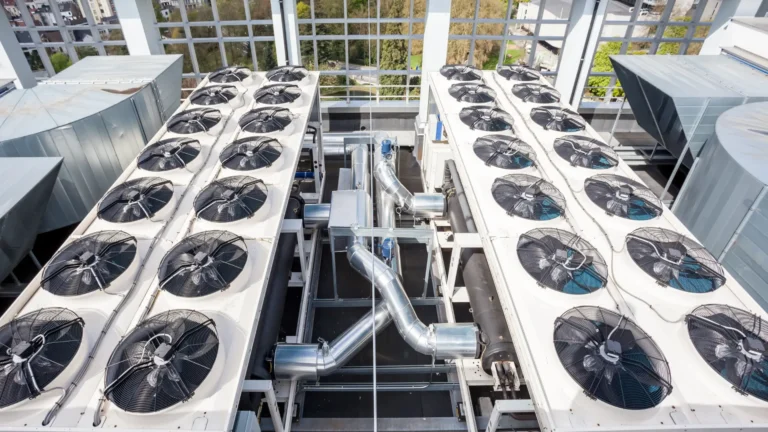
On the equipment side, we maintain packaged rooftop units, split systems, heat pumps, and the associated ductwork, controls, and ventilation components that tie a building’s comfort together. Whether your building runs a single large rooftop unit or several smaller systems across different zones, we build a plan that keeps each one accounted for.
The T. N. Bowes Heating & Air Conditioning, Inc. Difference
T. N. Bowes Heating & Air Conditioning, Inc. is a family-owned air conditioning company serving Leonardtown, MD, and the surrounding area, including Lexington Park, Hollywood, Leonardtown, Saint Charles, Mechanicsville, La Plata, California, Waldorf, Lusby, Hughesville, White Plains, Bennsville, Brandywine, and Prince Frederick, MD. We built our reputation the slow and honest way, by using highly trained technicians, installing quality products, and delivering excellent service at a competitive price. Since 1988, customers have chosen us over other HVAC contractors in southern Maryland, and that long track record shapes how we approach every maintenance agreement.
When you partner with us for commercial maintenance, you get technicians who know the equipment, a documented service history you can trust, and a relationship built to last across the full life of your systems. If you are ready to move from reacting to problems toward preventing them, we are ready to help you protect your Leonardtown facility for the long term.